
The dos and don'ts of using your home equity

Senior Editor
Published 9 November 2026
·8 min read
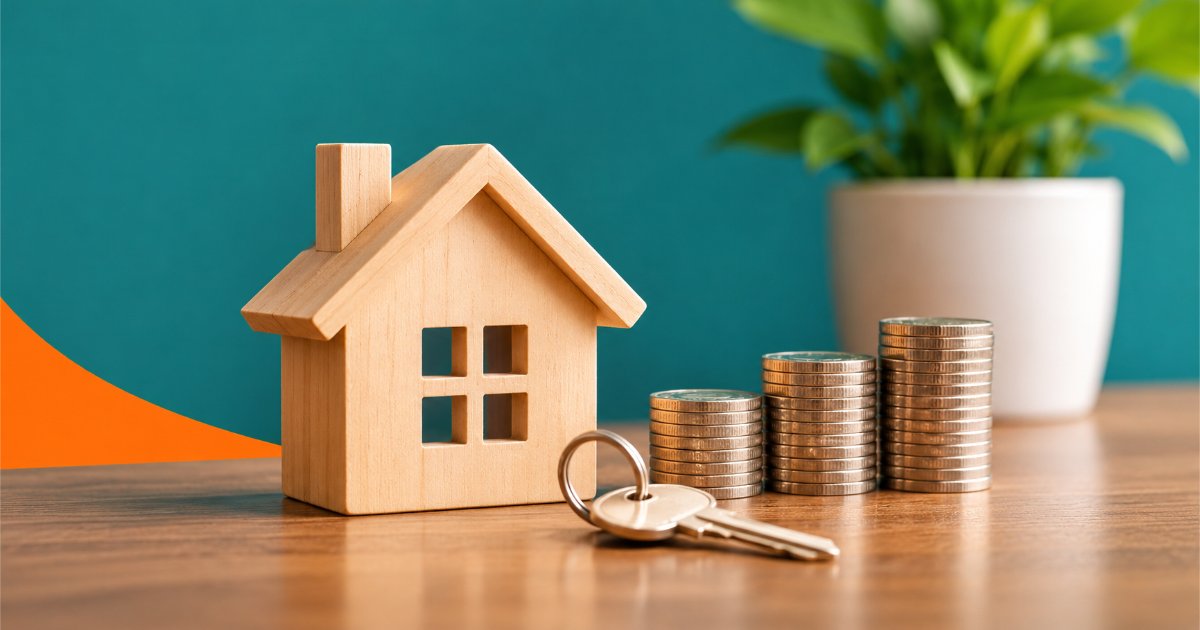
For many Namibian homeowners, their property is one of their most valuable financial assets. As they repay their home loan and their property's value changes over time, they may build up equity that could potentially be used to cover other expenses.
Whether it's renovating a home, paying for education, managing unexpected costs or consolidating debt, accessing home equity can provide additional financial flexibility.
But just because you have equity in your property doesn't necessarily mean you should use it.
Borrowing against your home can affect your monthly repayments, increase the amount of interest you pay and reduce the financial security you've built over time.
Before making that decision, it's important to understand how home equity works, what your options are and when using it could make financial sense.
What is home equity?
Home equity is the difference between your property's current market value and the outstanding amount you owe on your home loan.
For example, if your home is worth N$2 million and you still owe N$1.2 million on your bond, your estimated equity would be N$800,000.
That doesn't mean you have N$800,000 available to withdraw.
The amount you may be able to borrow depends on several factors, including your property's valuation, your existing home loan, your affordability and your bank's lending requirements.
Equity generally increases as you repay your home loan, although changes in property values can also affect it.
A homeowner who has made additional repayments or owned their property for several years may have built up a meaningful amount of equity without necessarily realising it.
How can Namibian homeowners access their home equity?
Depending on your bank and home loan agreement, there may be different ways to access additional funds.
Prepaid funds: If you've paid more than the required monthly instalments, your bank may allow you to withdraw some of those additional payments through an access facility.
Readvance: Some banks allow homeowners to apply to borrow against a portion of their original home loan that has already been repaid, without registering another bond.
Further loan: If your property's value and your financial circumstances support additional borrowing, you may be able to apply for further financing secured by your home. This could involve additional registration costs and a new credit assessment.
Each option works differently, and access is not automatic. Your bank may need to assess your income, expenses, credit profile and property value before approving additional funds.
Understanding the conditions and costs is an important first step before deciding how to use your equity.
The dos of using your home equity
1. Do consider improvements that protect or add value to your property
One of the more practical reasons to access home equity is to maintain or improve the property itself.
This could include repairing a roof, updating an ageing kitchen, improving bathrooms, installing security features or addressing maintenance issues that could become more expensive if left unattended.
In Namibia, improvements such as water-saving systems, insulation, solar installations or backup power solutions may also appeal to homeowners looking to manage household running costs.
However, not every renovation will increase your property's market value by the amount you spend.
Before committing to a major project, compare quotations and consider whether the improvements are appropriate for the type of property and area.
For example, an expensive renovation may offer limited financial return if it pushes your property's value well above similar homes in the neighbourhood.
The goal should be to improve the home's functionality, condition or long-term appeal without taking on more debt than you can comfortably manage.
2. Do explore whether it could help you manage expensive debt
Credit cards, personal loans and other forms of unsecured borrowing can carry higher interest rates than a home loan.
In some circumstances, using equity to consolidate high-interest debt could reduce the interest rate you pay and simplify your monthly repayments.
But a lower interest rate doesn't automatically mean the borrowing will cost less overall.
If you move short-term debt into a home loan and repay it over many years, you could end up paying more total interest despite having a lower monthly instalment.
It also means that debt previously unsecured may now be backed by your property.
Before consolidating debt, compare the total repayment cost, including interest, fees and the repayment period.
Most importantly, avoid building up new credit card or personal loan debt after consolidation. Otherwise, you could find yourself managing both a larger home loan and new debt.
3. Do keep home equity as a possible option for genuine emergencies
Unexpected expenses can place considerable pressure on household finances.
Urgent repairs, significant medical expenses or other unavoidable costs may sometimes leave homeowners needing access to additional funds.
If you have exhausted more suitable options and can afford the repayments, accessing available funds through your home loan may be worth discussing with your bank.
However, home equity shouldn't replace a dedicated emergency savings fund.
Unlike money held in an accessible savings account, equity may require an application, valuation or approval before funds become available.
And borrowing additional money creates an obligation that continues long after the immediate emergency has passed.
4. Do calculate the long-term cost before borrowing
The amount you can access is only one part of the decision.
You also need to consider how additional borrowing will affect your finances over time.
Ask your bank to explain the interest rate, monthly repayment, fees and total repayment amount before agreeing to any new facility.
Consider how repayments might change if interest rates increase, particularly if you have a variable-rate home loan.
The Bank of Namibia's monetary policy decisions influence lending conditions, but your actual home loan interest rate will depend on your agreement with your bank.
A responsible decision should leave enough room in your budget for normal living expenses, home maintenance, savings and unexpected costs.
The don'ts of using your home equity
1. Don't use long-term property debt for everyday lifestyle spending
A holiday, new furniture or an expensive purchase can be tempting reasons to access additional funds.
But using home equity for short-lived expenses means you could still be paying for those purchases years after you've enjoyed or replaced them.
Even when a bank offers an accessible facility, it is worth distinguishing between borrowing for a genuine financial need and using your home to fund discretionary spending.
Your equity represents part of the wealth you've accumulated through property ownership. Regularly withdrawing from it can make it harder to reduce your mortgage and build financial security.
2. Don't assume borrowing for an investment is risk-free
Some homeowners consider using equity to start a business, invest in another property or pursue other investment opportunities.
These decisions can potentially generate returns, but they also introduce additional financial risk.
Investment returns are not guaranteed, while repayments on money borrowed against your property remain an obligation.
If a business underperforms or an investment loses value, you could be left with additional debt and an asset worth less than expected.
Before using your property to finance an investment, assess the potential return, borrowing costs and how you would manage the repayments if the investment didn't perform as planned.
Independent financial advice can be particularly valuable when your primary residence is involved.
3. Don't overlook the cost of funding education
Education is an important financial priority for many households, and the cost of school fees, tertiary education or studying away from home can be substantial.
Using home equity may appear attractive if the interest rate is lower than alternative forms of borrowing.
However, education expenses often recur over several years, while the additional mortgage debt may remain long after the studies are completed.
Before borrowing, consider whether the expense can be managed through planned savings, payment arrangements, bursaries or other education-financing options.
For homeowners approaching retirement, it is especially important to consider whether borrowing will delay the date by which they can repay their home loan.
4. Don't assume your property's value will always increase
Property values can change depending on local demand, economic conditions, location and the condition of the home.
A property in Windhoek may experience different market conditions from a home in Swakopmund, Walvis Bay or another part of Namibia.
This means the equity you've built is not necessarily fixed.
If your property's value declines while your outstanding loan increases, your equity could shrink.
In more difficult circumstances, you could owe more on the property than it is worth.
Before accessing equity based on an assumed increase in value, get a realistic understanding of what your property could currently sell for and what valuation your bank may use.
5. Don't put your home at risk for short-term financial relief
Perhaps the most important consideration is that borrowing against your home uses the property as security.
If your income decreases or your financial circumstances change, additional repayments could become difficult to manage.
Falling behind on a secured loan can have serious consequences, including the possibility of losing your property through legal recovery proceedings.
If you're already struggling with monthly home loan repayments, taking on more debt may not be the best solution.
Speak to your bank about available assistance or repayment arrangements before allowing the situation to worsen.
Questions to ask before accessing your home equity
Before making a decision, consider the following:
- What exactly will the additional funds be used for?
- Is the expense necessary, and will it provide lasting value?
- How much equity do I actually have, and how much is available to borrow?
- Will my monthly home loan repayment increase?
- What is the total cost of borrowing, including interest and fees?
- Can I afford the repayments if interest rates increase?
- Will the additional borrowing affect my retirement savings or future property plans?
- Do I have another way to cover the expense without increasing the debt secured by my home?
Your bank should be able to explain the financing options available under your home loan and the requirements for accessing them.
Make your home equity work for your financial future
Building equity is one of the long-term benefits of owning property, but protecting that equity is just as important as accumulating it.
There may be circumstances where accessing it makes sense, particularly when the funds are used to protect your property, manage unavoidable expenses or improve your financial position.
The key is to look beyond the amount of money available and consider what the decision means for your future.
Before withdrawing funds or applying for additional borrowing, take time to understand the costs, risks and repayment obligations.
Your home is more than a source of available credit. It's an asset that can support your financial security for years to come.
For more information about building equity and managing your property finances, read our guide to unlocking the power of home equity in Namibia.
You can also use the MyProperty Namibia bond calculator to explore how loan amounts, interest rates and repayment periods affect your monthly budget.
Never miss a property story
Get our latest news straight in your Google feed.
More in Home Owners

Renovate or relocate? How to decide what's best for your home and your budget
Wondering whether to renovate your home or relocate? This guide for Namibian homeowners explores the financial and lifestyle factors to consider before making a decision. Learn when renovating adds value, how to avoid overcapitalising, what costs to compare, and how local property market trends can...
Read more →
7 practical and affordable ways to keep your Namibian home warm this winter
Keeping your home warm during winter does not have to mean expensive renovations or soaring electricity bills. This practical guide for Namibian homeowners and tenants explores affordable ways to make homes more comfortable during colder months, from using layered bedding and rugs to sealing draught...
Read more →
Unlocking the Power of Home Equity
For many Namibian home buyers, the main focus is on creating a place to live, often overlooking the investment potential beyond the fact that property typically appreciates over time. However, understanding and leveraging your home’s equity can be transformative by helping you manage finances, inves...
Read more →Renovate or relocate? How to decide what's best for your home and your budget
Wondering whether to renovate your home or relocate? This guide for Namibian homeowners explores the financial and lifestyle factors to consider before making a decision. Learn when renovating adds value, how to avoid overcapitalising, what costs to compare, and how local property market trends can...
Read more →7 practical and affordable ways to keep your Namibian home warm this winter
Keeping your home warm during winter does not have to mean expensive renovations or soaring electricity bills. This practical guide for Namibian homeowners and tenants explores affordable ways to make homes more comfortable during colder months, from using layered bedding and rugs to sealing draught...
Read more →Unlocking the Power of Home Equity
For many Namibian home buyers, the main focus is on creating a place to live, often overlooking the investment potential beyond the fact that property typically appreciates over time. However, understanding and leveraging your home’s equity can be transformative by helping you manage finances, inves...
Read more →